BIOR AQUAPONICS SDN BHD

To carry on business related to Aquaponics services, is the combination of aquaculture and hydroponics, agriculture activities for animal production on a fee or contract basis. Agricultural practices suitable for all community including students, teachers, youth, farmers or your own backyard!

BIOR AQUAPONICS SDN BHD

To carry on business related to Aquaponics services, is the combination of aquaculture and hydroponics, agriculture activities for animal production on a fee or contract basis. Agricultural practices suitable for all community including students, teachers, youth, farmers or your own backyard!

BIOR AQUAPONICS SDN BHD

To carry on business related to Aquaponics services, is the combination of aquaculture and hydroponics, agriculture activities for animal production on a fee or contract basis. Agricultural practices suitable for all community including students, teachers, youth, farmers or your own backyard!

about-slide
about-slide
about-slide
about-slide
about-slide

About Us

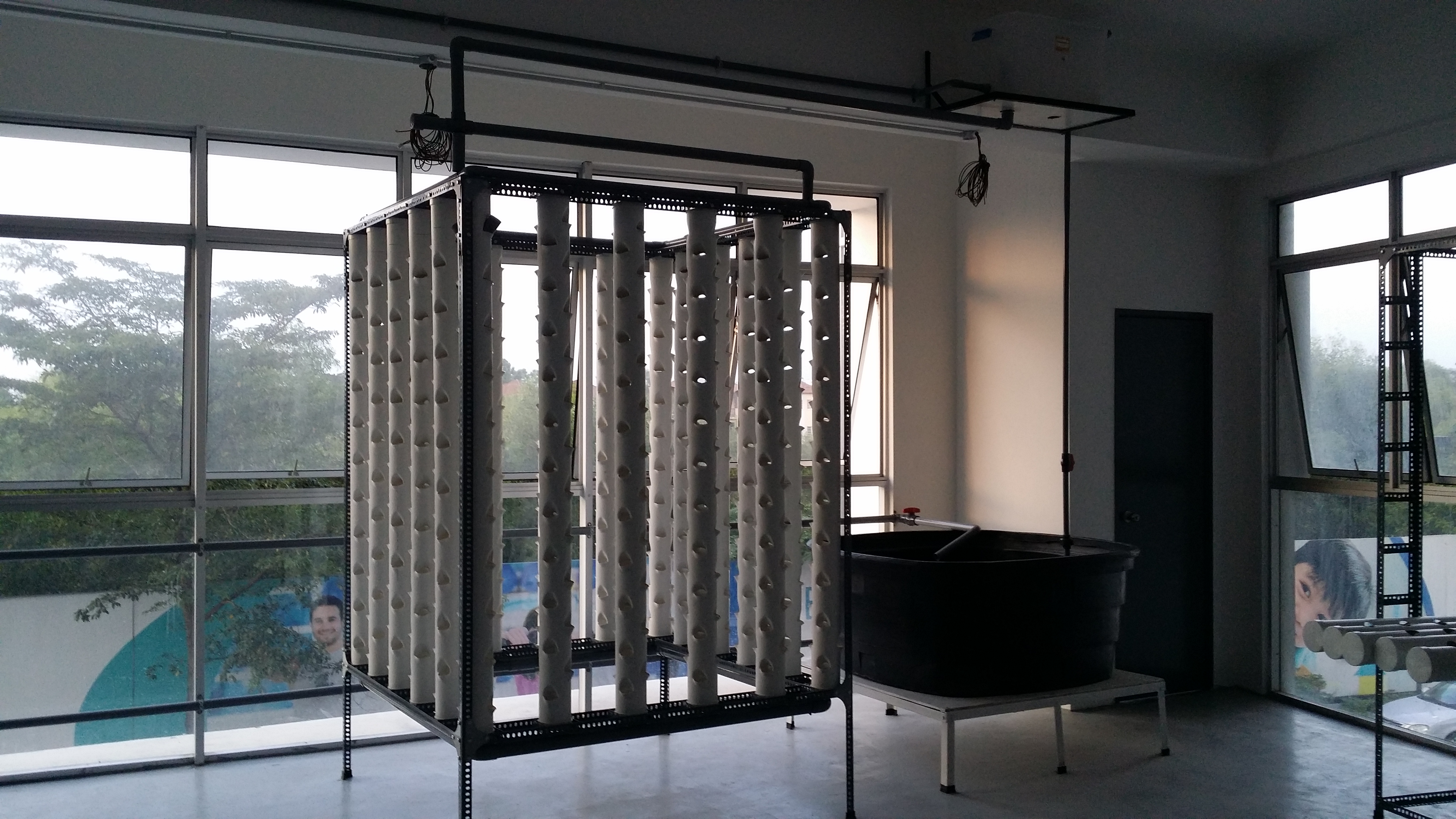
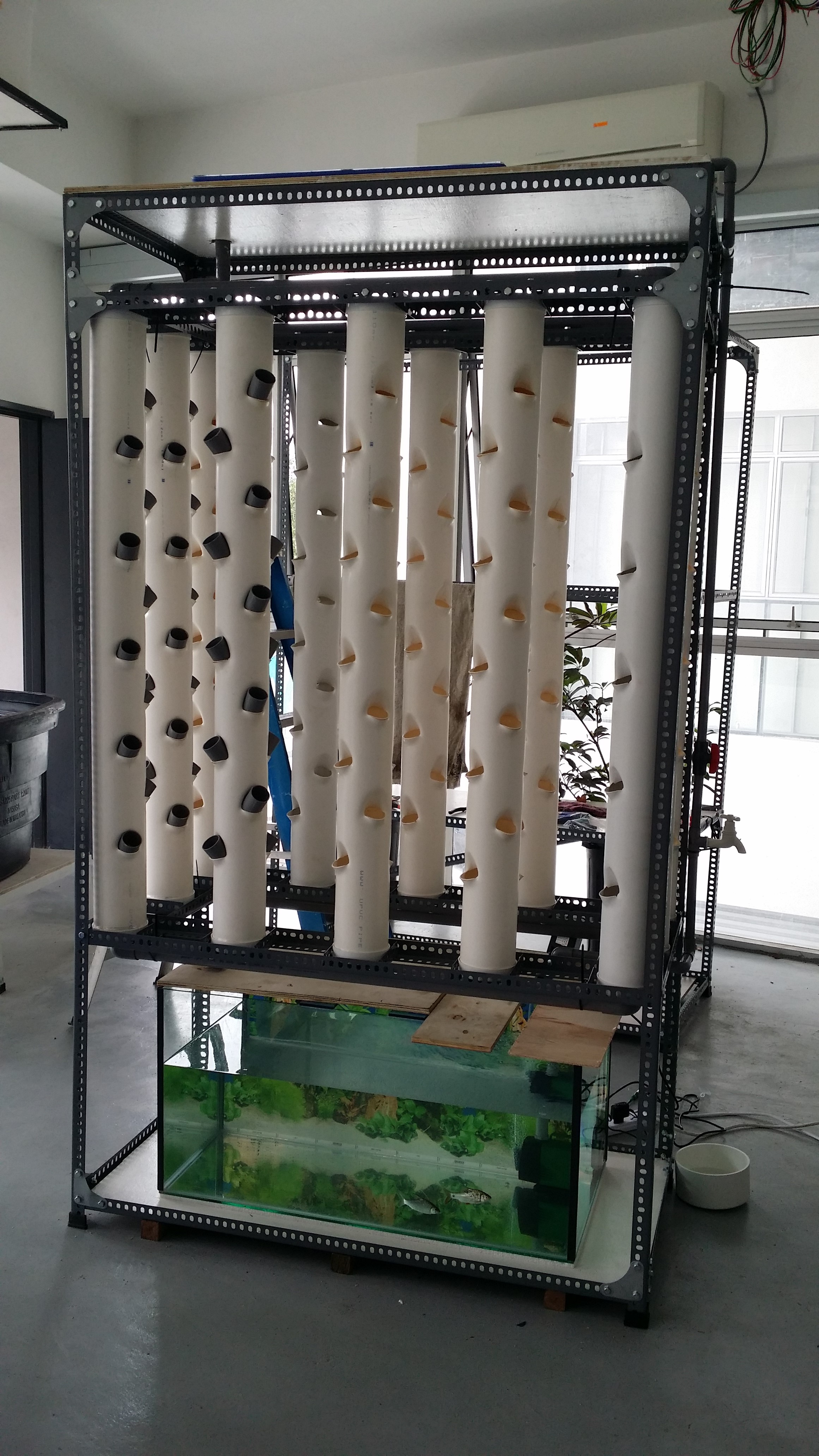
Aquaponics is a manageable technique for food production. It is combining aquaculture and hydroponics. Aquaculture refers to raising aquatic animals and hydroponics refers to cultivating plants in water with included nutrients. Aquaponics is a profitable cultivating method in areas of scarcity of land and water. Aquaponics is useful for anyone to grow food, and it tends to be done pretty much any place that approaches clean water and energy. In this circulating system, fish are grown in a tank and produce a waste and bacteria convert waste to natural fertilizer by nitrification and plants absorb the nutrients and return clean water to the fish.Aquaponics is suitable for indoor gardener. It can be any indoor space including home, school, office and other places. Aquaponics education also can be included in curriculum at school.

Read more

Aquaponic Vs Hydroponic

Aquaponics and hydroponics are both types of hydroculture gardening techniques. Hydroculture is the method of cultivating plants without soil. Instead, nutrients are added to the water and a soilless medium is used.
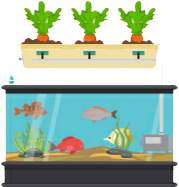
Aquaponics refer to growing plants without soil, primarily in water. It is sustainable cycle, where nutrients are supplied from the by-products of fish, and the plants reciprocate the favor by filtering the water. Plants receive nutrients from fish waste.

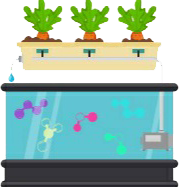
Hydroponics refer to growing plants with out soil. Plants are grown in other medias such as water, gravel or sand. Nutrients are supplies through fertilizers added in the watering process. Plants receive nutrients from hydroponic solution.

Overview

  1. Aquaponic's Cycle

    • Fish produce waste that can become toxic if not filtered
    • Bacteria convert waste to fertilizer by nitrification
    • Plants absorb the nutrients and oxygenate the water for the fish


  2. How Aquaponic Works

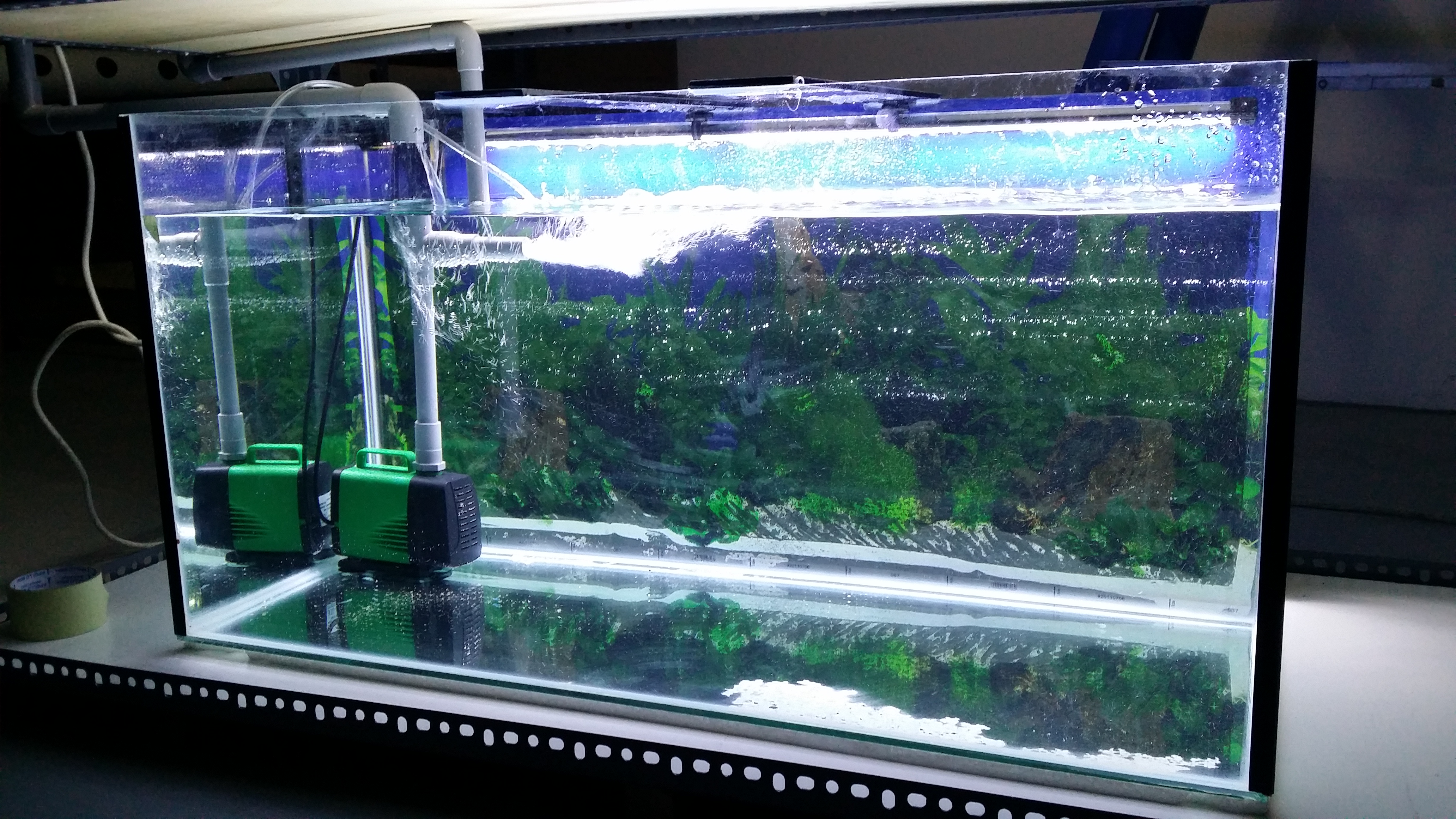
    • Fish are grown in a tank and produce waste.
    • Waste goes into a filtration system in which bacteria convert waste into nutrients for the plants.
    • The nutrients and water are pumped to the roots of the plants in the grow tray.
    • The plants root help filter the water.
    • Water is recirculated into the fish tank.
  3. Advantages of aquaponic

    • Aquaponic system are completely natural because pesticides and antibiotics can disrupt the cycle.
    • Aquaponic can be as large as commercial food production or as small as a desktop aquarium.
    • Aquaponics use one third of energy other farm systems use.
    • Uses 5% of the water volume required by regular vegetable crops.
    • System can be built in urban areas.
  4. Mycorrhiza

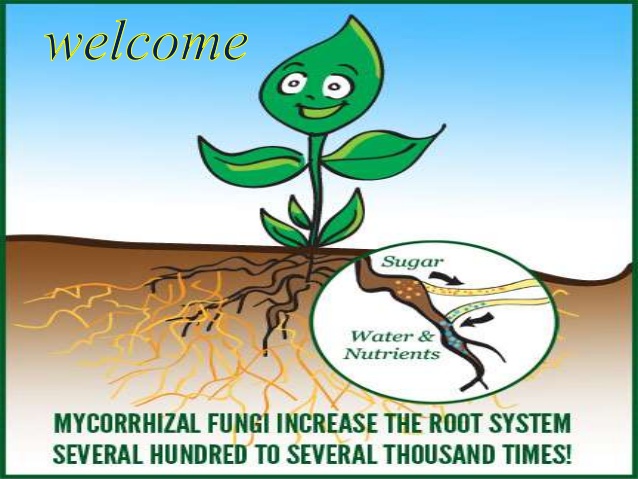
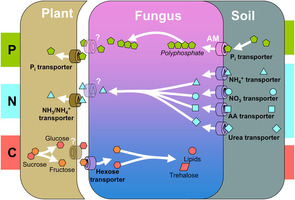
    • Mycorrhizae fungi are beneficial, and form a symbiotic relationship with plant roots.
    • The fungi receives sugar from the root.
    • It absorbs and send soil nutrients and water back to the plant.
    • When those nutrients and water are depleted, the fungi simply reaches further into the soil for more
  5. How Mycorrhiza works

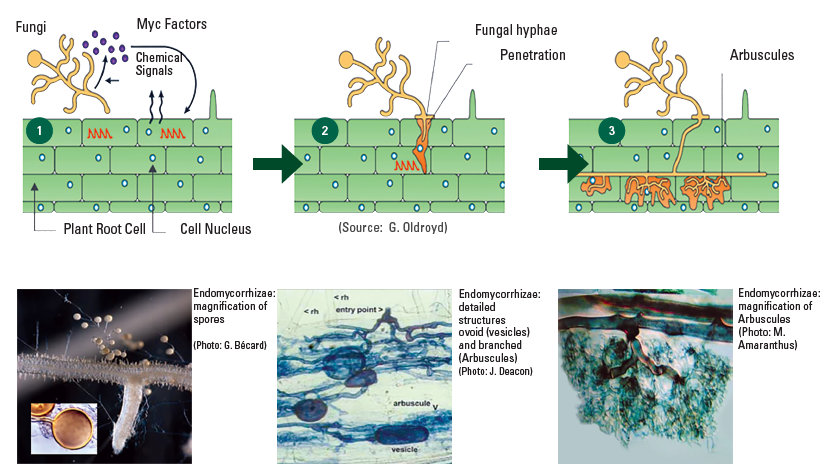
    • The spores of mycorrhizal fungi germinate after receiving the chemical signal from the roots
    • Endomycorrhizal Fungi colonize the intercellular spaces of roots
    • The Arbuscular Mycorrhizal Fungi (AMF) disseminate through the growth of hyphae inside the roots and soil
  6. Advantages of Mycorrhiza

    • Mycorrhizal fungi support faster plant establishment
    • Mycorrhizal hyphae access water and nutrients beyond the root zone and deliver them to the plant's vascular network
    • Increase absorbtion area by as much as 50 times
    • Increase overall root biomass
  7. Advantages of Mycorrhiza

    • Mycorrhizal hyphae absorb and actively deliver nutrients directly to the roots.
    • Improves utilization of soil nutrients including
      • Nitrogen
      • Phosphorus
      • Potassium
      • Micronutrients
  8. Advantages of Mycorrhiza

    • Mycorrhizal hyphae absorb and transport soil moisture from beyond the root zone to the plant's roots
    • The mycorrhizal symbiosis increases the plant's effective water utilization capability
      • Improved tolerance to stress
      • Greater resistance to drought